

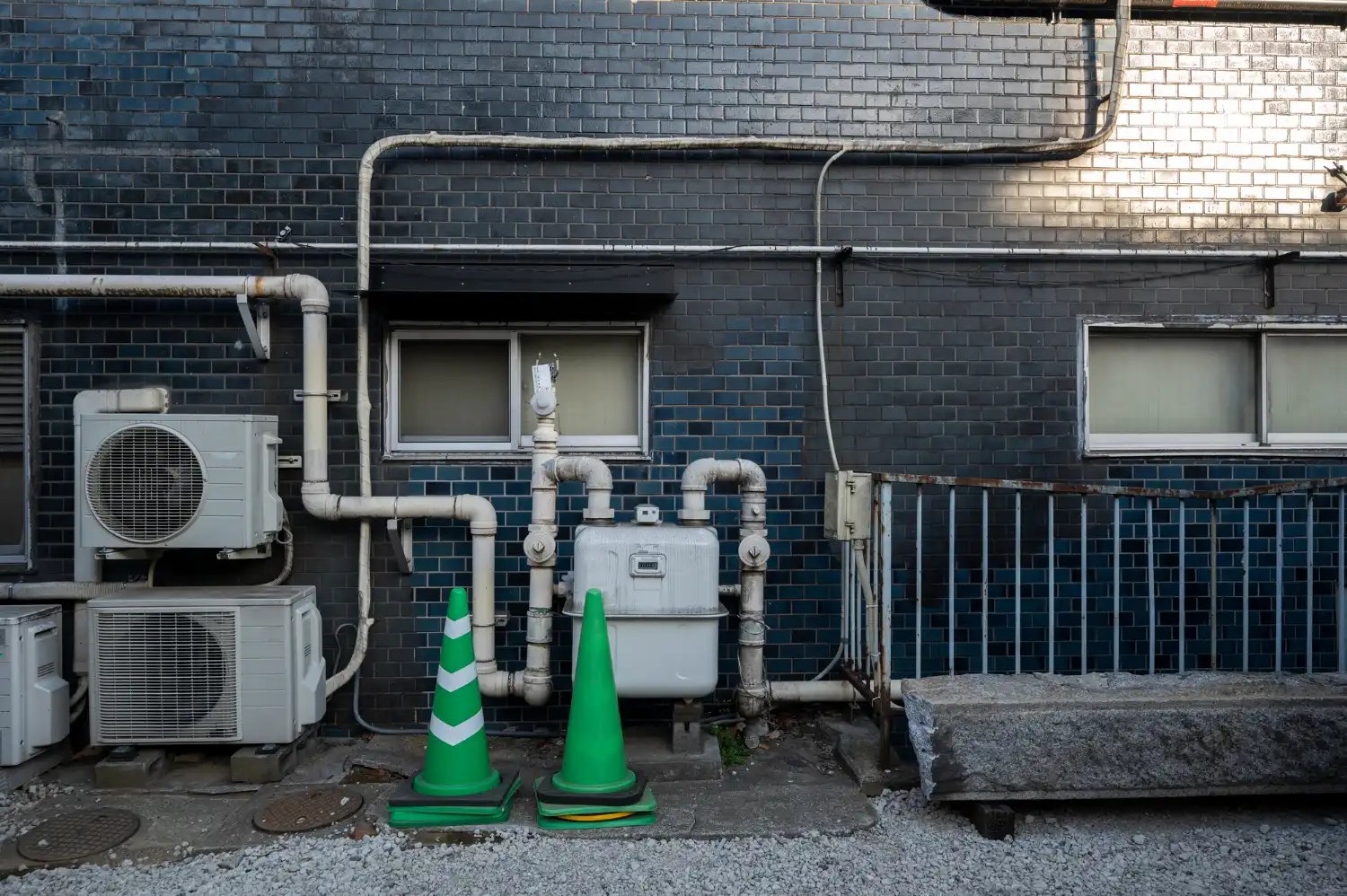
If your HVAC system has been loyally running for two decades, you might be wondering: Should I keep repairing it, or is it finally time for a full replacement? The decision to invest in a replacement air conditioner or central AC replacement isn’t just about comfort, it’s also about energy savings, indoor air quality, and long-term cost-efficiency. Let’s break it down so you can make the smartest decision for your home and budget.
How Long Do HVAC Systems Typically Last?
The average HVAC system lasts 15 to 20 years, depending on the brand, maintenance routine, and local climate. If yours is hitting the 20-year mark, it’s at the upper limit of its life expectancy, even if it’s still running.
Over time, older systems become less efficient, more prone to breakdowns, and may use outdated components, like R-22 refrigerants, that are no longer eco-friendly or even legal to recharge.
Warning Signs of an Inefficient or Failing System
Not sure if your old HVAC system is on its last legs? Here are red flags that could indicate it’s time for a replacement:
- Uneven temperatures: Some rooms are hot while others are freezing? That’s a classic sign of airflow issues or aging ductwork.
- Frequent repairs: If you’re constantly calling in for service or have already had to replace a capacitor in the air conditioner or other parts multiple times, it’s likely not worth the patchwork.
- Higher energy bills: Older units consume more power to do the same job. A sudden spike in utility bills is often a red flag.
- Noise, odors, or humidity issues: Loud banging, musty smells, or a sticky indoor climate could mean your system isn’t ventilating properly.
- Compatibility issues: Older systems may not play well with smart thermostats or zoning systems, limiting your home’s efficiency potential.
The Financial Equation: Repair vs. Replace
The Rule of $5,000
A helpful formula is Repair Cost × Age of Unit. If that number exceeds $5,000, replacement may be the smarter financial choice.
Example: A $600 repair on a 20-year-old unit = $12,000. That’s more than double the limit.
Component Replacement Costs
Major components can be pricey:
- Air conditioner compressor replacement cost: $1,200–$2,500
- Carrier air conditioner coil replacement cost: $1,000–$2,000
Investing that much in an aging system rarely pays off.
ROI: Energy Savings vs. Upfront Cost
While air conditioner replacement costs can range from $4,500 to over $12,000 (depending on system type), modern systems can cut energy bills by up to 50%. That adds up quickly.
Incentives and Rebates
Thanks to the Inflation Reduction Act (IRA) and local utility programs, you might qualify for:
- Federal tax credits up to $2,000 for high-efficiency systems
- Rebates for switching to heat pumps
- State-specific incentives that reduce the air conditioning unit replacement cost
Energy Efficiency: Then vs. Now
Modern HVAC technology has come a long way.
- SEER (Seasonal Energy Efficiency Ratio) ratings for cooling
- AFUE (Annual Fuel Utilization Efficiency) for heating
- HSPF (Heating Seasonal Performance Factor) for heat pumps
A 20-year-old unit might have a SEER of 8–10. Today’s systems go up to 26 SEER, using variable-speed compressors and smart controls to adjust output based on real-time conditions. That means less energy waste and lower bills.
Comfort and Indoor Air Quality Benefits of New Systems
Upgrading your HVAC system means:
- Consistent temperatures throughout the home
- Quieter operation
- Advanced filtration to reduce dust, allergens, and odors
- Humidity control, which improves comfort and helps prevent mold
Today’s systems also integrate seamlessly with smart thermostats for zoning, scheduling, and remote control, giving you comfort and control like never before.
Environmental Impact and Sustainability
Old HVAC units often use R-22 refrigerant, which is being phased out due to environmental damage. Newer systems use R-410A or R-32, which are more eco-friendly.
Plus:
- Modern units have smaller carbon footprints
- Many components are recyclable
- Newer systems align with sustainability goals and green building standards
What’s the Cost of Replacing a 20-Year-Old HVAC System?
Here’s a rough breakdown:
- Air conditioner replacement cost: $4,500–$8,000
- Central AC replacement cost (including ductwork): $6,500–$12,000
- Replace AC with heat pump: $8,000–$15,000 (higher upfront, but major energy savings)
Prices depend on home size, system type, brand (like Carrier, Trane, etc.), and SEER rating. Don’t forget to factor in local labor costs and incentives that could ease the investment.
Choosing the Right System for Your Home
Every home is different, so work with an experienced HVAC professional, like Morelli Air to:
- Evaluate your home’s square footage, insulation, and ductwork
- Determine whether to replace AC with heat pump for dual-functionality
- Size the system correctly to avoid underperformance or energy waste
- Recommend the most efficient model for your budget and climate
When Replacement Makes the Most Sense
- Your HVAC system is 15+ years old
- You’ve faced multiple expensive repairs
- Energy bills are rising without explanation
- Comfort or air quality has declined
- You’re planning to sell and want to increase home value
- You’re interested in upgrading to a smart, energy-efficient home
Final Thoughts: Is It Worth It?
Yes,replacing a 20-year-old HVAC system is almost always worth it.
While the air conditioning unit replacement cost may feel steep at first, the long-term energy savings, improved comfort, and peace of mind far outweigh the investment. Plus, with modern rebates and tax credits, your upfront costs could be lower than expected.
If you’re in the Charleston, SC area, Morelli Heating & Air Conditioning is here to help you make the transition smooth, smart, and affordable. Get a quote today and take the first step toward a cooler, cleaner, and more cost-effective home.