


A geothermal system uses water-based heat pumps located around the residential or commercial space that transfers heat from one space to another to heat or cool a building. In the winter, the earth supplies heat, acting as a heat source. The home or business is a heat sink, accepting the heat when it’s cold outside. The source and sink switch in the summertime to effectively cool a building instead of heating it.
The ground certainly feels cold in the winter and hot in the summer. How can the earth supply heat when it’s frozen and accept heat when it’s steaming? Simple: look deeper. About 200 feet below the ground, the earth stays at the same temperature all year round. It’s relatively hotter than the surface during the winter and colder than the surface during the summer.
What Every Geothermal System Needs

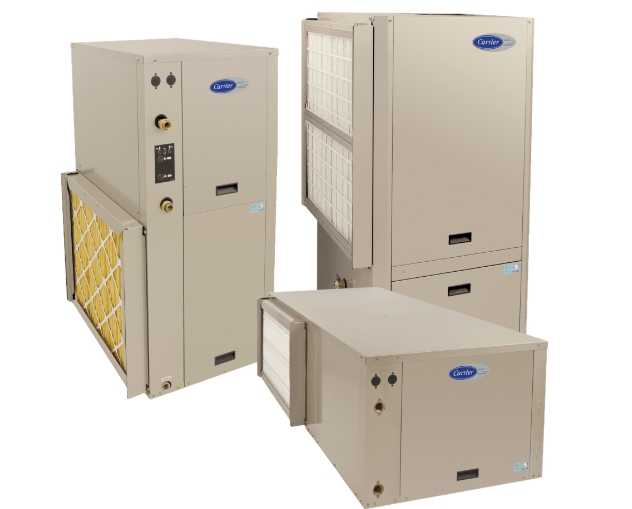
A Geothermal Heat Pump
also called a ground source heat pump, to connect the earth to the HVAC system of the building.

The Earth
to be the heat source in the winter and the heat sink in the summer.
Electricity
to help the heat transfer, whether it’s adding or removing heat from the building.
What’s Great About Geothermal Systems
- Highly efficient and long life expectancy
- HVAC equipment may be installed entirely indoors with no need for combustion
- Ability to be tied into the water heating system
- Consistent electrical load
- Limited maintenance requirements and few moving parts
- Green technology for the environment
How Does Geothermal Work?
It’s a buzzword becoming popular in HVAC applications, but how does geothermal work? Geothermal systems are a fascinating use of natural resources and free energy in heating and cooling systems. In a world of high energy costs and an increasing concern for the environmental impact of our dependence on fossil fuels, considering geothermal makes sense.

How Does Geothermal Work in the Direction Opposite Normal Heat Transfer?
Normally, heat escapes our buildings in the winter and enters them in the summer. This is why we have to add heating or air conditioning to keep our homes and offices at the optimal temperature. How does geothermal work to correct this?
Geothermal has tapped into the state of the ground about 20 feet below the surface of the earth. The inner earth at this depth is a constant 50-60 F year round even though the temperature of the surface above fluctuates throughout our seasons. So the earth can absorb heat when it’s summertime or plus 60 F at the surface. It can supply heat when it’s wintertime or less than 50 F at the surface.

How Geothermal Works with Three Critical Partners
The partners that work together in a geothermal heating and cooling application are the earth, a liquid that loops through the ground, and an indoor HVAC unit with a heat pump and associated ductwork. The earth is the heat source in the winter and the heat sink in the summer. The liquid that loops through the ground is usually water in a closed loop.
This loop can span vertically or horizontally depending on the right fit for the application. The water is the carrier of heat energy between the earth and the indoor unit. It’s circulated by a pump. The final piece, the indoor HVAC unit consists of a fan, compressor, and pump, and is powered with electricity.

The Benefits of Geothermal
Even the most environmentally-conscious among us can hesitate to invest in a geothermal HVAC system . It’s easy, after all, to get distracted by a higher installation cost and the disruption of your landscaping – but when you look at the benefits of a geothermal system, they easily outweigh these cons.
01
Free Energy
With mounting utility costs, free energy sounds too good to be true. But the earth is a free heat source and heat sink as long as we invest in the technology to harness it. Geothermal systems are indeed supplemented by some paid energy: electricity.
But the amount of electricity is far less than units using only electricity for heating and cooling. In fact, the earth’s heat helps geothermal systems use 25 – 50% less energy than conventional HVAC system . Electricity is a supplement, not the main meal. Because of this lower energy usage, geothermal systems save you so much on your energy bills that most systems pay for themselves in 3-5 years.
02
Tax Incentives
Federal, state, and local governments were smart enough to see the benefits of geothermal from an environmental standpoint. Therefore, there are plenty of rebates and other incentives offered to geothermal consumers.
The Energy Improvement & Extension Act offers a 30% residential, 10% commercial one-time tax credit based on the total cost of installing a geothermal system. It’s valid through the end of 2016. Talk to your tax professional for information on the tax credit. Make sure your system meets Energy Star eligibility requirements and save receipts for this incentive.
03
Little Maintenance
Besides cheaper utility bills, you’ll have lower repair and maintenance bills. Geothermal units have few moving parts. The HVAC unit with its compressor, fan, and pump is entirely indoors and easily serviced. It’s not subject to the wear and tear of the elements. Periodic checks and filter changes can give your geothermal system at least a 20-year lifespan.
04
Safety
When you use fossil fuels like oil for your heating and cooling system, the combustion releases carbon monoxide, which is dangerous to humans and the ozone layer. Geothermal systems don’t rely on fossil fuels or combustion. Therefore, there is no risk of carbon monoxide leaks, flames, or odors inside the home. It’s also greener for the planet.
Frequently asked questions
Answers to your Common Geothermal Heating & Cooling Questions
-
Is geothermal heating and cooling worth it?
Geothermal heating and cooling is worth it for homeowners looking for long-term energy savings and consistent comfort. These systems use stable underground temperatures to operate efficiently year-round. While installation costs are higher upfront, lower operating costs and long system life often balance the investment. Schedule a consultation to explore your options.
-
How much does a geothermal heating and cooling system cost?
The cost of a geothermal system depends on home size, land availability, and loop type. Although upfront installation costs are higher than traditional HVAC systems, geothermal systems typically have lower monthly energy costs. Incentives and tax credits may also reduce overall expenses. Request an estimate to understand pricing for your home.
-
How does geothermal heating and cooling work?
Geothermal systems use underground loops to transfer heat between your home and the earth. In cooler months, heat is pulled from the ground into your home. In warmer months, excess heat is moved back into the ground. This process provides efficient heating and cooling year-round. Schedule an evaluation to learn more.
-
How long do geothermal heating and cooling systems last?
Geothermal systems are known for their durability. Indoor components usually last 20–25 years, while underground loop systems can last 50 years or more. With fewer exposed parts, these systems experience less wear and tear. Regular maintenance helps keep the system running efficiently over time.
-
Does geothermal heating and cooling save energy?
Yes, geothermal systems save energy by using the earth’s natural temperature rather than generating heat or cold air. This reduces electricity usage and improves overall efficiency. Many homeowners experience lower utility bills and more consistent indoor comfort. A professional consultation can help determine potential savings.
-
Are geothermal heating and cooling systems more energy-efficient than standard HVAC systems?
Yes, geothermal heating and cooling systems are more energy-efficient than standard HVAC systems. They rely on stable underground temperatures to transfer heat rather than generating it, which uses less energy. This higher efficiency often leads to lower utility bills, reduced system wear, and more consistent indoor comfort throughout the year.