
Have you ever noticed how one room in your home always feels too hot while another is too cold? Traditional heating and cooling systems often treat your entire home as a single space, which doesn’t reflect how you actually live. That’s where an HVAC zoning system comes in. Zoning allows you to control the temperature of different areas or zones independently, providing more comfort, efficiency, and control. In this article, we’ll explain what HVAC zoning is, how it works, and why it could be a game-changer for your home.
What Is HVAC Zoning?
An HVAC zoning system is a heating and cooling solution that divides your home into multiple zones, each controlled by its own thermostat. Instead of having one central thermostat trying to manage the entire house, zoning lets you tailor comfort to specific areas. For example, you can keep bedrooms cooler at night while keeping the living room warmer for evening relaxation.
This targeted approach not only makes your home more comfortable but also helps save energy by reducing unnecessary heating or cooling in unused spaces.
Technical Overview: How Zoning Works
● Signal Flow & Controls
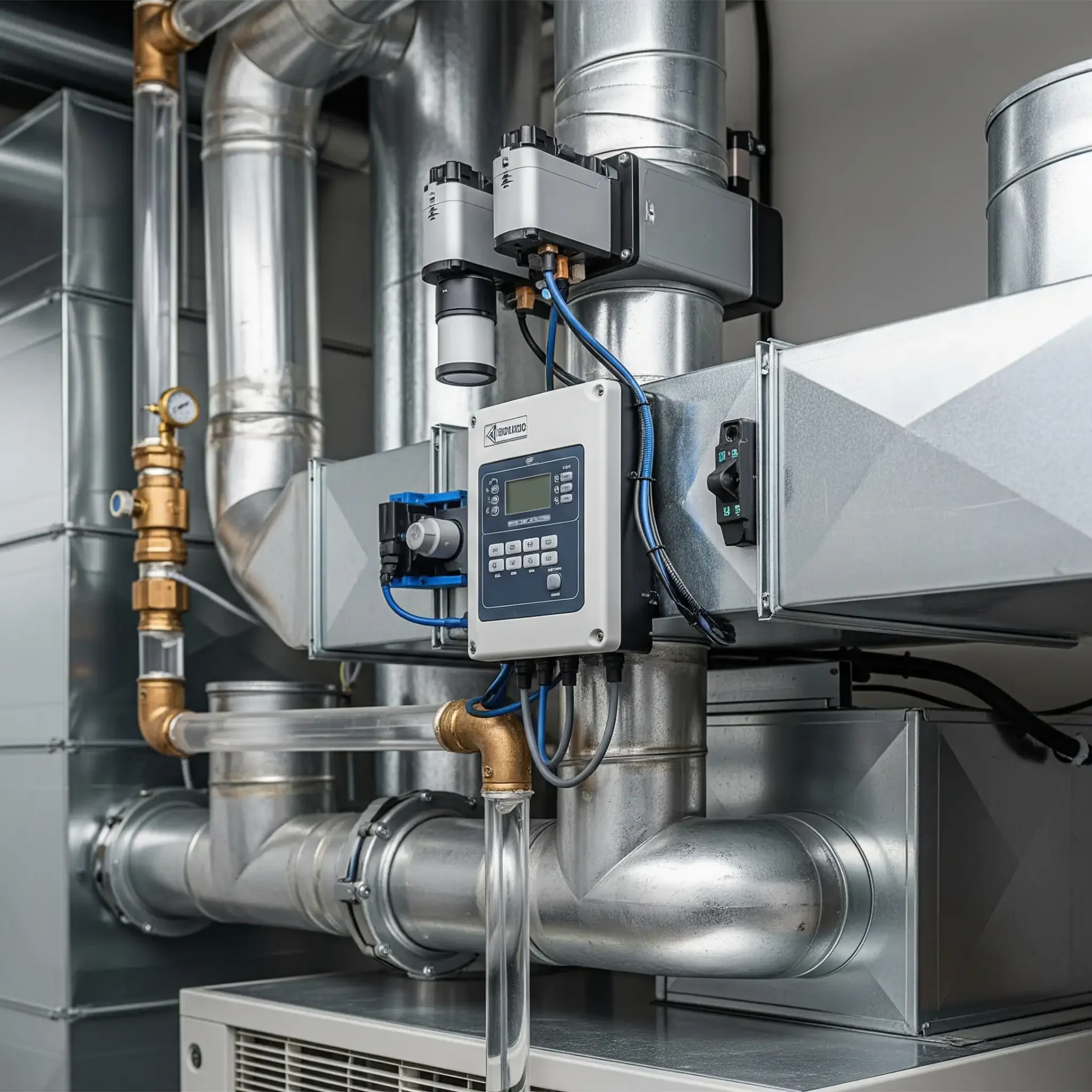
At the heart of an HVAC zone control system are thermostats, a central control panel, and zone dampers. Each thermostat sends signals to the control panel, which then directs the dampers in your ductwork to open or close based on demand.
● Airflow Management & Load Balance
Zone dampers act like gates inside your ducts. When a thermostat calls for heating or cooling in a particular zone, the damper for that zone opens, while dampers in other zones may close. This ensures conditioned air flows exactly where it’s needed, avoiding hot or cold spots.
● Thermostat Types & Controls
Modern systems use programmable or smart thermostats, which allow you to set schedules or even control temperatures remotely via your phone. This level of flexibility is a key advantage of HVAC zoning.
● Installation Considerations
Installing a zoning system requires modifying ductwork, adding dampers, and integrating thermostats with a central control panel. It’s essential to have experienced professionals design and install the system to ensure balanced airflow and long-term performance.
Benefits of HVAC Zoning in Homes
1. Enhanced Comfort & Personalization
No two family members have the same comfort preferences. With zoning, each person can enjoy their ideal room temperature, eliminating family thermostat battles.
2. Energy Savings & Efficiency
Why heat or cool rooms you’re not using? By directing air only where it’s needed, an HVAC zoning system can reduce energy consumption significantly, lowering utility bills.
3. Equipment Longevity & Reduced Noise
When your system isn’t working overtime to condition the entire house, it reduces wear and tear on HVAC equipment. Dampers also help regulate airflow, often making the system run more quietly.
4. Better Indoor Air Quality (IAQ) Control
Zoning allows for improved control of ventilation and air circulation. In some cases, you can pair zones with air purifiers or humidifiers to target problem areas and improve overall indoor air quality.
Common Drawbacks & How to Avoid Them
● Higher Upfront Cost & System Complexity
Installing an HVAC zoning system costs more initially compared to a single-zone setup. However, energy savings and increased comfort often make up for the expense over time.
● Risk of Poor Installation → Imbalanced Airflow
Improperly installed dampers or poorly designed ductwork can cause airflow problems. To avoid this, always work with experienced professionals who understand zoning design.
● Maintenance & Potential Additional Parts
Since zoning adds components like dampers and control panels, there’s more to maintain. Regular inspections can prevent small issues from becoming big problems.
Is HVAC Zoning Right for Your Home?
HVAC zoning is ideal for multi-level homes, large open floor plans, houses with rooms that get uneven sun exposure, or families with different temperature preferences. If you notice uneven temperatures or rising energy bills, zoning might be the perfect solution.
Morelli Air’s Approach & Best Practices
At Morelli Heating & Air, we specialize in designing HVAC zoning systems tailored to your home’s unique needs. From installing high-quality zone dampers to integrating smart thermostats, we ensure your system delivers comfort, efficiency, and reliability. Our expert technicians carefully evaluate ductwork, airflow, and load balance to avoid common pitfalls and maximize your investment.
Conclusion
An HVAC zone control system offers homeowners personalized comfort, better efficiency, and improved air quality. While the upfront investment may be higher, the long-term benefits are hard to ignore. If you’re tired of uneven temperatures and high utility bills, HVAC zoning could be the solution you’ve been looking for.
Ready to explore zoning options for your home? Contact Morelli Air today and let us design a system that keeps every corner of your home comfortable year-round.