

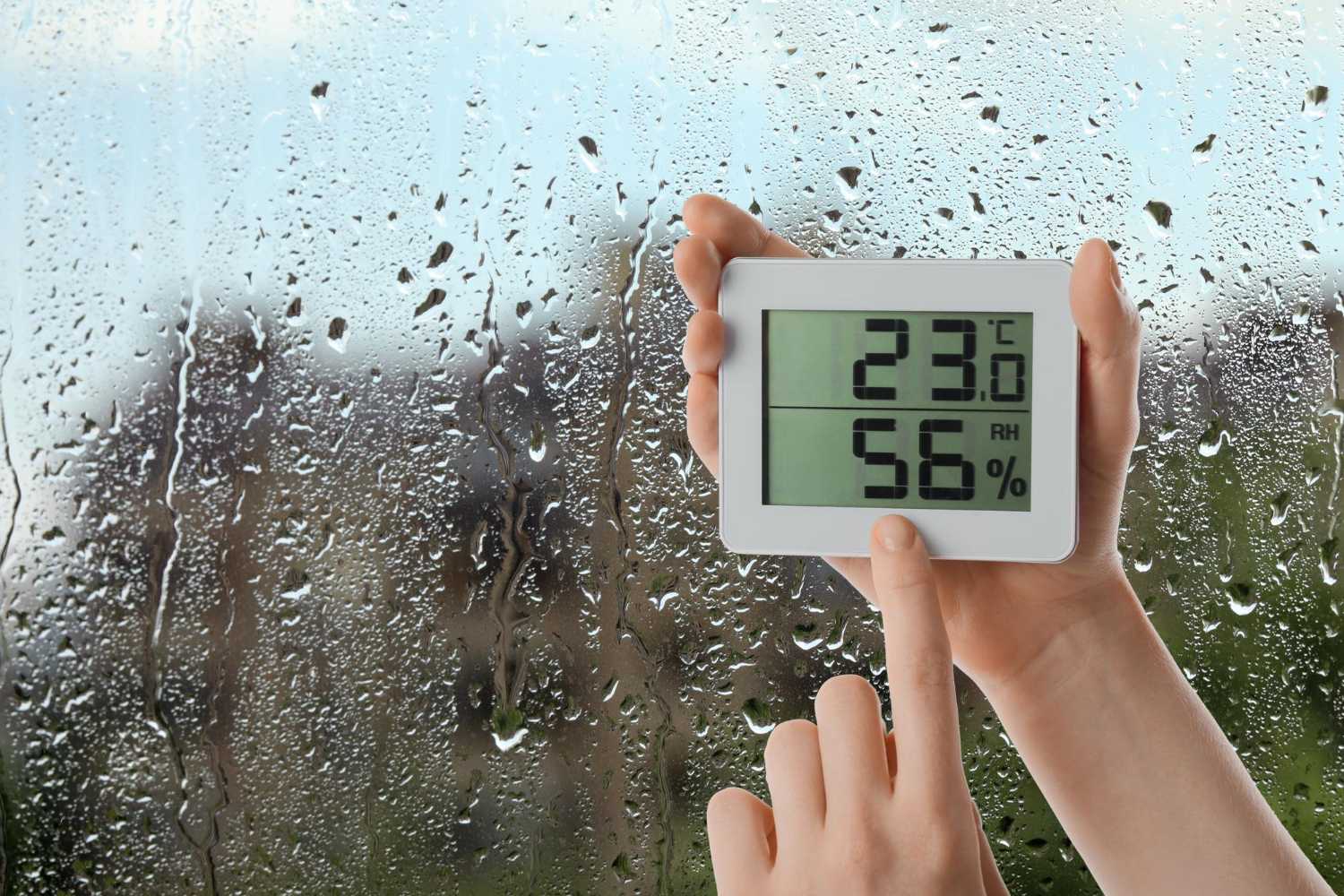
If your house is humid with AC on, you are not alone. Many homeowners are surprised to learn that an air conditioner can cool the air while still leaving moisture behind. When an AC unit not removing humidity runs constantly yet your home feels sticky, uncomfortable, or musty, there is usually a specific cause. In this guide, you will learn why this happens, what it means for your comfort and indoor air quality, and what practical steps you can take to fix the problem.
How Air Conditioning Is Supposed to Remove Humidity
Air conditioners are designed to do more than lower the temperature. As warm air passes over the indoor coil, moisture should condense and drain away. When everything is working properly, cooling and dehumidification happen together. When ac is cooling but not removing humidity, something in that process is off balance.
According to HVAC professionals, humidity control is one of the most overlooked aspects of home comfort. A system can reach the thermostat setting while still failing to manage moisture levels.
Common Reasons Your AC Is Not Pulling Humidity Out
● The System Is Oversized for Your Home
An oversized system cools the space too quickly. This short run time prevents the unit from operating long enough to remove moisture. The result is a home that feels cool but damp, even though the thermostat says everything is fine.
● Poor Airflow Across the Indoor Coil
Restricted airflow can stop proper moisture removal. Dirty air filters, blocked vents, or duct issues can all contribute to an ac unit not removing humidity. When airflow is reduced, condensation does not form efficiently on the coil.
● Incorrect Thermostat Settings
Running the fan continuously instead of on automatic can reintroduce moisture back into the air. This setting can make it seem like the ac not pulling humidity out, even though the system is otherwise functional.
● Leaky or Poorly Insulated Ductwork
When ducts leak or pull in air from unconditioned spaces, extra moisture enters your home. This added humidity can overwhelm the air conditioner and make it seem ineffective.
● High Outdoor Humidity Levels
In very humid climates, your system may struggle without additional support. An air conditioner alone may not be enough to maintain ideal indoor conditions, especially during long humid seasons.
Why Humidity Control Matters for Your Home
Excess humidity affects more than comfort. It can lead to mold growth, musty odors, and damage to wood, furniture, and flooring. Many indoor air quality specialists note that controlling moisture is essential for protecting both your home and your health.
When ac is cooling but not removing humidity, the air can feel heavy, and allergens may thrive. Addressing the root cause improves comfort and long-term system performance.
Practical Steps You Can Take Right Now
1. Check and Replace Air Filters Regularly
Clean filters support proper airflow and help your system remove moisture more effectively.
2. Use the Correct Fan Setting
Set your thermostat fan to automatic so moisture drains away instead of being blown back into your home.
3. Seal and Inspect Ductwork
Sealing leaks and improving insulation can significantly reduce unwanted humidity entering your living space.
4. Schedule a Professional System Evaluation
An experienced technician can determine whether your system is properly sized and configured for humidity control. Many comfort issues traced to an ac unit not removing humidity are resolved during a thorough inspection.
5. Consider Supplemental Dehumidification
In some homes, a dedicated dehumidifier works alongside the AC to maintain balanced indoor conditions.
Expert Insight on Humidity and AC Performance
HVAC experts often explain that comfort is a balance between temperature and moisture. When homeowners focus only on cooling, humidity problems persist. A well-designed system addresses both, ensuring your home feels comfortable, fresh, and healthy throughout the year.
Frequently Asked Questions
1. Why does my house feel sticky even though the AC is running?
This usually means the system is not removing enough moisture, often due to sizing, airflow, or settings issues.
2. Can a dirty AC cause humidity problems?
Yes. Dirty components restrict airflow and reduce the system’s ability to condense and remove moisture.
3. Is it normal for a house to be humid with AC on in summer?
Some humidity is normal in hot climates, but persistent dampness suggests a problem that should be addressed.
4. Will lowering the thermostat fix humidity?
Lowering the temperature alone rarely solves moisture issues and can increase energy use without improving comfort.
5. Do I need a new AC if it is not pulling humidity out?
Not always. Many issues can be corrected with adjustments, repairs, or added dehumidification.
Final Thoughts
If your house is humid with AC on, it is a sign that your system needs attention. When an ac unit not removing humidity goes unchecked, comfort, efficiency, and indoor air quality all suffer. Understanding why ac is cooling but not removing humidity empowers you to take action.
For professional guidance and tailored solutions, reach out to the trusted team at Morelli Heating and Air. A comfort-focused evaluation can restore balance to your home and help your AC work the way it should.