

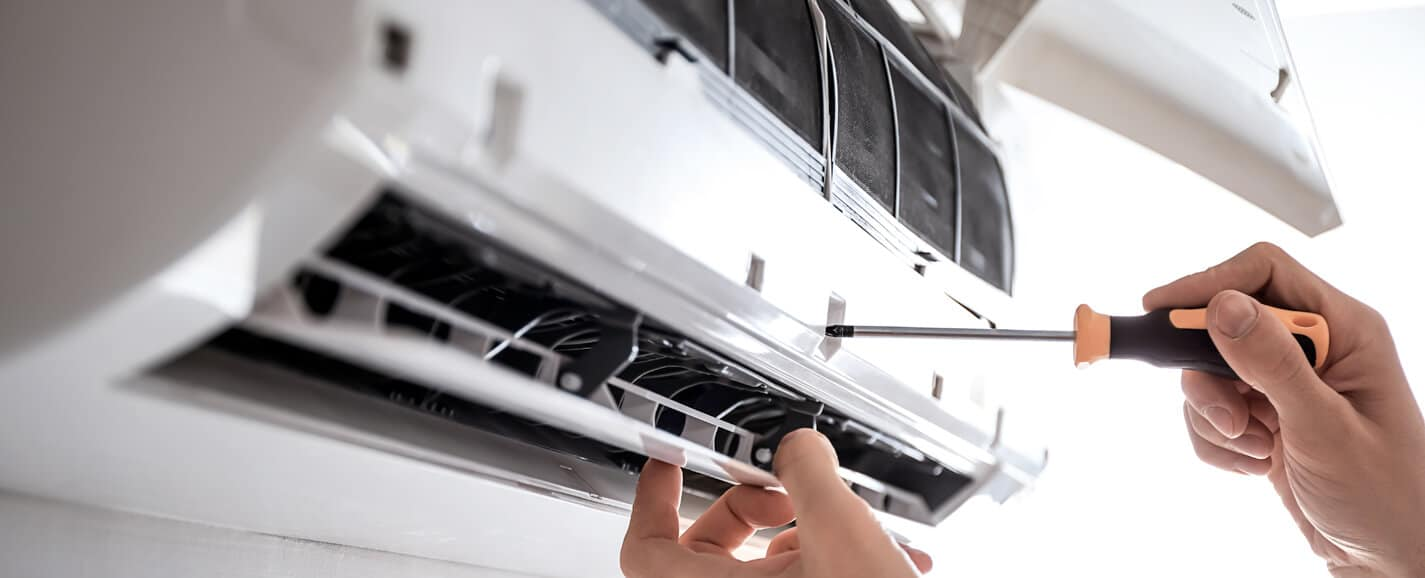
It is incredibly frustrating when the summer heat is peaking and your air conditioner refuses to cooperate. You hear the system kick on, you feel a brief rush of cold air, and just a few minutes later, the unit shuts right back down. Your home never actually cools off, and your anxiety about an expensive repair bill starts to climb.
If you are wondering why your AC keeps shutting off before the house cools down, you are dealing with a very common HVAC issue known as “short cycling.”
While this behavior is stressful, it does not automatically mean you need a brand-new air conditioning system. Sometimes the fix is as simple as swapping out a minor part or changing a filter. However, ignoring the problem can lead to severe equipment damage over time.
Here is exactly what you need to know about AC short cycling, what you can safely check yourself, and when it is time to call in a professional.
What is AC Short Cycling?
Air conditioners are designed to run in distinct cooling cycles. A cycle begins when your thermostat detects that the indoor temperature has risen above your preferred setting. The AC turns on, removes heat and humidity from the air, and runs continuously until the target temperature is reached. Then, it shuts off.
Short cycling happens when the air conditioner terminates this cooling cycle prematurely. The system starts up, runs for a very brief period, shuts down, and then attempts to restart just a few minutes later.
How an AC System Should Normally Cycle
To understand why constant starting and stopping is a problem, it helps to know what normal operation looks like.
On an average summer day, a properly functioning air conditioner should run for about 15 to 20 minutes per cycle. It will typically cycle two to three times an hour to maintain a comfortable indoor temperature. During extreme summer heat, your system might run even longer. Longer run times are completely normal and actually help your system operate more efficiently.
Why Short Cycling is a Serious Problem
It is easy to assume that an AC running in short bursts is saving you money. In reality, the exact opposite is true. You should never ignore repeated short cycling for three main reasons.
It spikes your electric bill. Air conditioners require a massive surge of electricity to start the compressor. Once the system is up and running, it uses significantly less energy to maintain momentum. When your AC turns on and off every five minutes, it is pulling that massive startup energy over and over again.
It increases wear and tear. The compressor is the heart of your cooling system, and starting up is the most stressful part of its job. Constant starts and stops act like driving a car in heavy stop-and-go traffic. Parts wear out faster, motors overheat, and the lifespan of your equipment drops drastically.
It ruins indoor comfort. Air conditioners do two things. They lower the temperature, and they remove humidity. Dehumidification takes time. If your system only runs for five minutes, it cools the air just enough to satisfy the thermostat but leaves all the moisture behind. This results in a cold but clammy and uncomfortable home.
Most Common Causes of AC Short Cycling
Understanding why your system is acting up can help you decide on the right next steps. Here are the most frequent culprits behind an AC that will not stay running.
Dirty or Clogged Air Filters
This is the single most common cause of short cycling. Your air conditioner needs a steady volume of air moving over the indoor evaporator coil to function. If a dirty air filter blocks that airflow, the coil gets too cold and literally freezes over in ice. When this happens, the system overheats or safety sensors trip, causing the unit to shut down to protect itself.
Thermostat Placement and Malfunctions
Your thermostat is the brain of the operation. If it is located right above a supply vent, the cold air blowing directly on it will trick the sensor into thinking the whole house is cool. The thermostat shuts the system off prematurely. A few minutes later, the ambient room heat warms the thermostat back up, and the cycle starts all over again. Faulty wiring or dying batteries can also cause erratic thermostat behavior.
Low Refrigerant and Frozen Coils
Air conditioners do not consume refrigerant. If your refrigerant is low, you have a leak. Low refrigerant levels drop the pressure inside the system. This causes the indoor coil to freeze over, which restricts airflow. Many modern systems have low-pressure safety switches that will immediately shut the compressor down if it detects a leak, preventing catastrophic damage.
Failing Electrical Components
The outdoor unit relies on a part called a run capacitor. Think of the capacitor as a heavy-duty battery that provides the extra jolt of electricity needed to start the compressor and fan motors. If the capacitor is failing, the compressor will struggle to start, overheat, and shut off via a safety mechanism called a thermal overload switch.
Restricted Airflow and Blocked Vents
Closing vents in unused rooms might seem like a good way to save energy, but it actually chokes your HVAC system. Closing too many vents increases the static pressure inside your ductwork. The blower motor has to work too hard to push air through, causing the system to overheat and short-cycle.
Oversized Air Conditioning Systems
If your AC has short-cycled ever since the day it was installed, the unit is likely too big for your house. An oversized system blasts the home with cold air rapidly, satisfying the thermostat in just a few minutes. It shuts off before it can remove any humidity, leaving you with an uncomfortable home and a system that breaks down prematurely from excessive starting and stopping.
Signs the Issue May Be Serious
While a dirty filter is an easy fix, certain warning signs indicate your system is in immediate distress. Turn your system off and call for professional help if you notice:
- Ice is building up on the copper refrigerant lines outside.
- A thick block of ice is forming on the indoor evaporator coil.
- A loud buzzing or humming noise is coming from the outdoor unit.
- A burning electrical smell near the vents or equipment.
- Your circuit breaker is tripping repeatedly when the AC tries to start.
What Homeowners Can Safely Check First
Before you panic about an expensive replacement, walk through these safe and practical troubleshooting steps.
- Inspect your air filter. Pull it out and hold it up to a light. If you cannot see light through it, replace it immediately.
- Check your thermostat. Make sure it is set to “Cool” and the fan is on “Auto.” Ensure there are no heat-producing electronics, like lamps or televisions, sitting directly under the thermostat.
- Open all your vents. Walk through your home and ensure supply vents and return grilles are fully open and unblocked by furniture or rugs.
- Clear the outdoor unit. Go outside and look at the condenser. Remove any leaves, tall grass, or debris blocking the sides of the unit. The system needs at least two feet of clear space to breathe.
What Homeowners Should Avoid Doing
Modern HVAC systems use high-voltage electricity and pressurized chemicals. Attempting DIY repairs on certain components is highly dangerous.
- Do not touch capacitors. Even when the power is turned off at the breaker, a capacitor can hold a lethal electrical charge.
- Do not attempt to add refrigerant. Handling refrigerant requires specialized training and Environmental Protection Agency certification. DIY kits often introduce air and moisture into the system, which will destroy the compressor.
- Do not repeatedly reset a tripping breaker. If the AC breaker trips, it is preventing an electrical fire. Resetting it over and over will cause permanent damage.
- Do not pry open sealed electrical panels. Leave the internal wiring to the professionals.
Frequently Asked Questions
Is AC short cycling dangerous?
It is not typically dangerous to your health, but it is highly dangerous to the lifespan of your HVAC equipment. Constant starting and stopping can burn out a compressor, which is the most expensive part of your system.
Can a dirty air filter cause short cycling?
Yes. It is the most common cause. A clogged filter chokes the airflow, causing the system to overheat or the indoor coil to freeze, resulting in an automatic shutdown.
Will short cycling increase my electric bill?
Absolutely. Air conditioners use the most power during startup. Starting up ten times an hour uses significantly more electricity than running continuously for a normal 20-minute cycle.
Could my thermostat be causing the problem?
Yes. If the thermostat is in a drafty area, gets hit by direct sunlight, or is sitting right next to an air vent, it will read the temperature incorrectly and tell the AC to turn on and off erratically.
Does short cycling mean I need a new AC unit?
Not always. In many cases, short cycling is caused by an inexpensive electrical part like a failing capacitor, a clogged drain line triggering a safety switch, or a dirty filter. However, if your system is severely oversized or the compressor is ruined, replacement might be necessary.
How long should an AC cycle normally last?
In normal summer weather, a healthy cycle lasts between 15 and 20 minutes. During a severe heatwave, it is completely normal for an AC to run for 40 minutes or even an hour at a time to keep up with the heat.
Can extreme summer heat cause short cycling?
Extreme heat usually causes the opposite problem, making the AC run constantly. If your system is short cycling during a heatwave, it is likely overheating, struggling with a dying capacitor, or freezing up due to poor airflow.
Should I turn the AC off until it is repaired?
If you have replaced the filter and checked the vents, but the unit continues to turn on and off every few minutes, turn the system off at the thermostat. Letting it short cycle endlessly will eventually destroy the compressor.
What happens if I ignore AC short cycling?
If ignored, the system will consume massive amounts of electricity, your home will feel damp and uncomfortable, and the compressor will eventually suffer a catastrophic failure.
When to Call an HVAC Professional
If you have changed your air filter, checked your thermostat, and cleared your vents, but your AC continues to turn on and off rapidly, it is time to call for backup.
You need an experienced technician to test the electrical components, measure the refrigerant pressure, and safely diagnose the root cause of the problem. Routine HVAC maintenance is the absolute best way to prevent short cycling. A thorough bi-annual tune-up catches weak capacitors, dirty coils, and minor refrigerant leaks long before they cause your system to shut down on a sweltering summer afternoon.
If your air conditioner is struggling to keep you comfortable, do not wait for the system to break down completely. Reach out to a trusted, local HVAC professional in Charleston to schedule a diagnostic visit. Getting a clear answer today will save you money, protect your equipment, and restore your peace of mind.